Handwriting at St Matthew’s Primary School
Handwriting at St Matthew’s is taught as an essential skill that supports pupils’ overall communication and confidence in writing. We use the Letterjoin scheme to provide a clear, consistent approach to the teaching of cursive handwriting, helping children develop correct letter formation, joins, and presentation from an early age. This is carefully linked with our Read Write Inc. programme, ensuring that pupils apply their phonics knowledge as they form letters and words. Through regular, structured practice, children are supported to develop fluency, legibility, and pride in their work, enabling them to write with increasing speed and accuracy across the curriculum.
Download: Handwriting – Curriculum Overview 2025-2026 [PDF]
View our Handwriting and Presentation Policy on our Policies page.
Strong Foundations for Early Writing
We believe that handwriting is a vital part of children’s early learning and a key foundation for successful writing. When children can form letters confidently and fluently, they are able to focus more on their ideas, creativity, and the content of their writing.
We place a strong emphasis on teaching handwriting from the very beginning, ensuring children learn correct letter formation and develop good habits that will support them throughout their education. As their skills grow, children are supported to write with increasing ease, speed, and pride.
By developing clear, fluent handwriting, we help children build confidence as writers and give them the tools they need to communicate their thoughts effectively across the curriculum.
Letter-Join
To help children develop confident, fluent handwriting, we use the Letter-join programme across the whole school. This provides a clear and consistent approach as children move through each year group.
With Letter-join, children are taught how to form letters correctly and how to join them step by step. The same language and visual prompts are used throughout the school, which helps children feel secure and build on what they already know.
The programme supports children in moving from printed letters to joined (cursive) writing at the right pace, helping them to write more smoothly and confidently over time.
We make sure children learn when they are ready to start joining their letters, rather than rushing this stage. This means they can focus on forming letters accurately first, which builds strong foundations before developing speed.
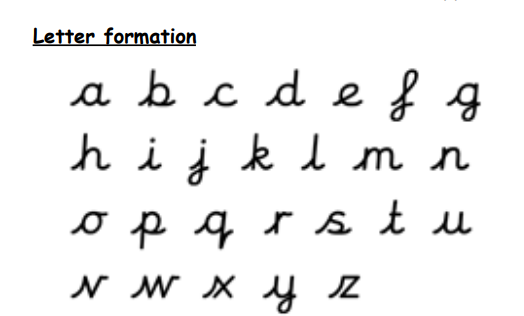
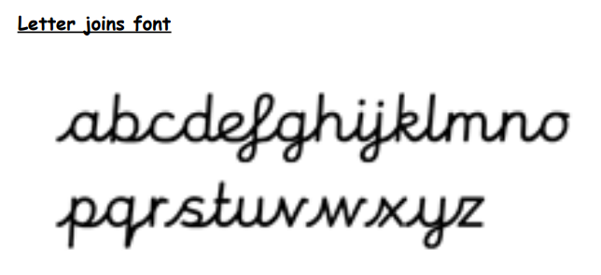
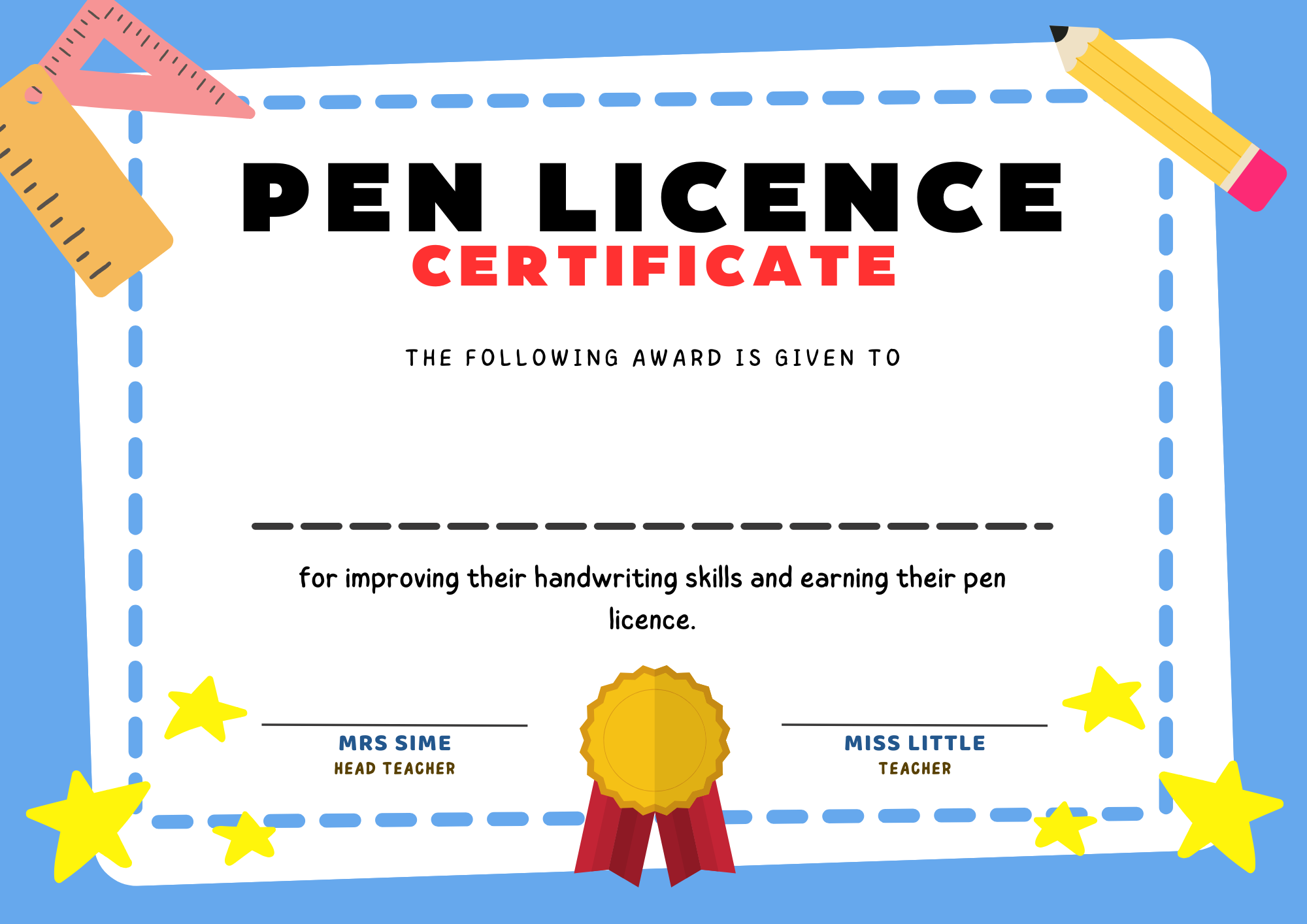
When children move on to ‘Pen’ they will focus on Pen Licence Criteria. Please view the document below to help your child with this:
Download: Pen Licence Criteria [PDF]
After children demonstrate all of the markers on the Pen Licence Criteria, they are aware their Pen Licence Certificate:
Supporting Your Child
Handwriting Progression and How to Help at Home:
EYFS (Reception, ages 4–5)
What children learn:
- Holding a pencil correctly (tripod grip)
- Making marks, lines, circles, zig-zags
- Writing their name
- Beginning to form some letters
How parents can help:
- Encourage fine motor play (LEGO, threading beads, playdough)
- Practice mark-making (chalk, paint, sand writing)
- Help with correct pencil grip
- Trace letters together (keep it fun, not forced)
Year 1 (ages 5–6)
What children learn:
- Correct letter formation (lowercase + capitals)
- Writing left to right, sitting letters on the line
- Spacing between words
How parents can help:
- Practice forming letters correctly (start/finish points matter)
- Use lined paper to guide size
- Encourage short daily writing (labels, simple sentences)
- Praise effort, not perfection
Year 2 (ages 6–7)
What children learn:
- Consistent size and spacing
- Starting to join some letters
- Writing simple sentences neatly
How parents can help:
- Practice simple joins (e.g., “ai”, “ee”, “or”)
- Encourage writing short stories or diary entries
- Focus on neatness and consistency
- Use fun prompts (shopping lists, notes)
Year 3 (ages 7–8)
What children learn:
- Introduction to cursive handwriting
- More fluent, joined writing
- Improved control and legibility
How parents can help:
- Practice joining letters regularly
- Encourage longer writing tasks (stories, letters)
- Model neat handwriting yourself
- Ensure correct posture (feet flat, paper angled)
Year 4 (ages 8–9)
What children learn:
- Writing is mostly joined
- Increased speed + consistency
- Clear, readable handwriting
How parents can help:
- Practice writing at a steady pace
- Encourage independent writing (stories, projects)
- Gently correct letter formation if needed
- Keep practicing tricky joins
Year 5 (ages 9–10)
What children learn:
- Fluent, legible handwriting
- Developing a personal style
- Writing quickly for longer tasks
How parents can help:
- Encourage writing for real purposes (journals, letters)
- Focus on presentation (headings, layout)
- Help build writing stamina
- Check handwriting stays neat even when writing faster
Year 6 (ages 10–11)
What children learn:
- Mature, consistent handwriting
- Writing neatly under time pressure
- Adapting style when needed (notes vs best work)
How parents can help:
- Practice timed writing tasks
- Encourage neatness in homework
- Support with revision notes writing
- Reinforce pride in presentation
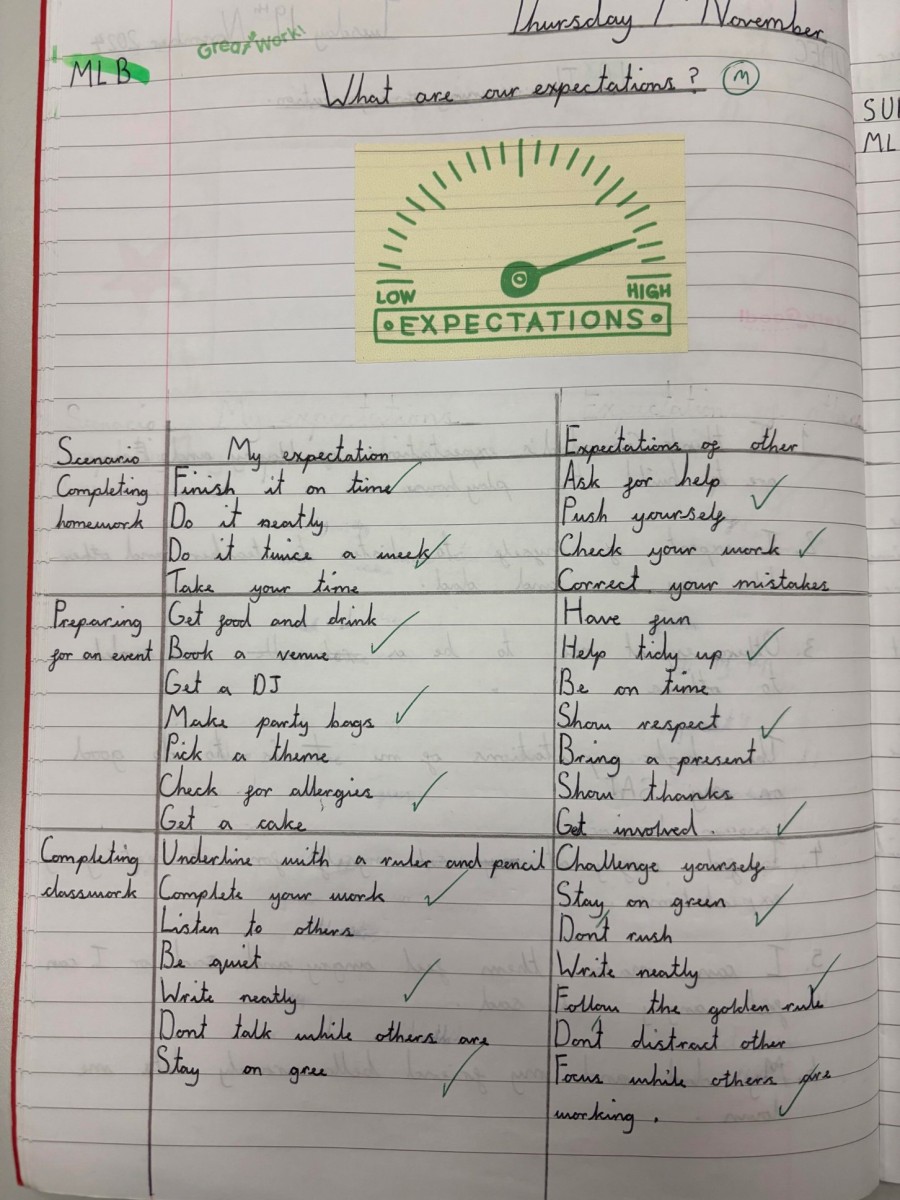
Handwriting Examples
Useful Handwriting Resources
Download: Cursive Letter Formation Handwriting Sheets [PDF]
Download: Handwriting Booklet with all Letters and Joins [PDF]
Download: Handwriting Booklet with Single Letters and Sounds [PDF]
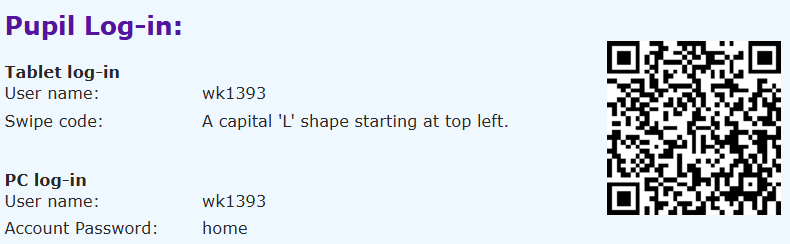
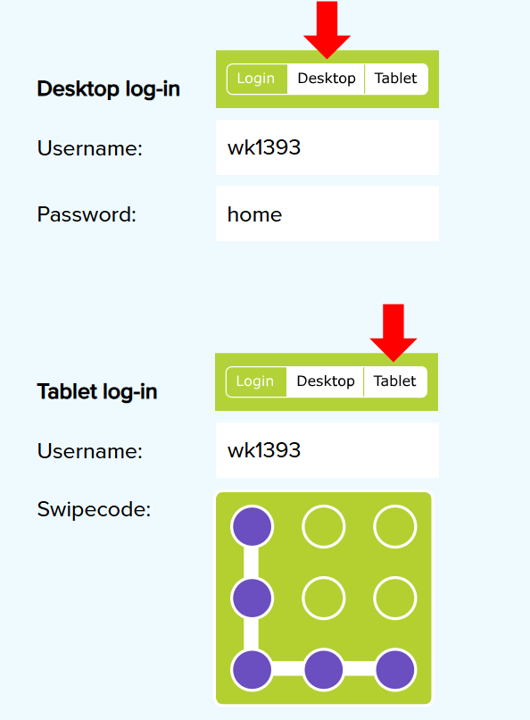
You can practice your Letter-join by using this website (instructions below):
https://www.letterjoin.co.uk/